
Ever Notice How Some People Will Do Literally Anything to Avoid an Uncomfortable Conversation?
They’ll lie. They’ll cheat. They’ll create burner emails. They’ll learn cryptocurrency. They’ll download the Tor browser. They’ll browse murder-for-hire websites. But sit down and say, “Hey, we’re having marital problems”? Hard pass.
Today’s story is about a man who was a church elder, a marriage counselor, a guy people trusted for spiritual advice. And when his double life started collapsing, he didn’t confess. He didn’t leave. He didn’t repent.
He tried to outsource murder on the dark web.
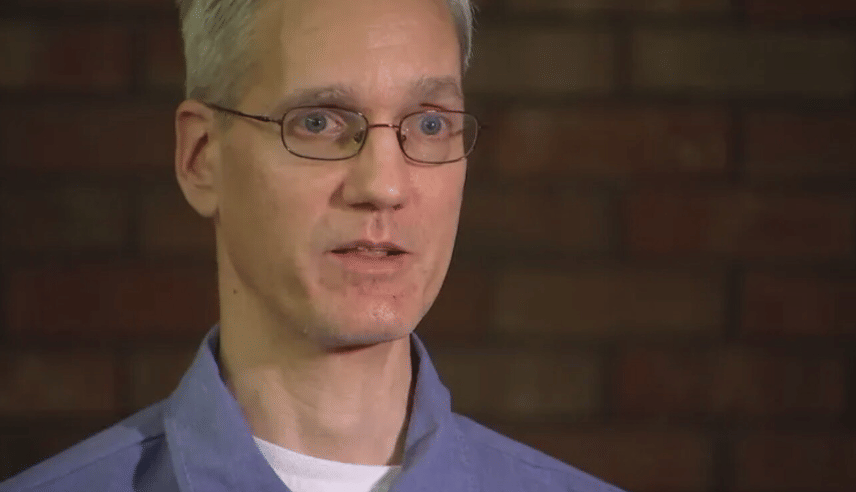
Steven Allwine wasn’t some hooded hacker in a basement. He was the IT guy everyone relied on, the spiritual advisor couples turned to when their marriages hit rough patches, the respected community member who taught church values and ballroom dancing. He was also shopping for his wife’s murder on a dark web crime-as-a-service platform called Besa Mafia.
This is the story of Amy Allwine. And it’s a masterclass in why your “trusted” employees might be the biggest security threat you’ll never see coming.
Sunday, November 13th, 2016
It was a gray day. Amy was home making pumpkin pies. The whole house smelled like Thanksgiving.
Around 1 p.m., she tells Steven she’s dizzy. She needs to lie down.
At 1:30, Amy’s dad stops by. Steven says she’s resting. Please don’t wake her.
At 2 p.m., Steven asks his father-in-law to take their nine-year-old son, Joseph, so he can drive Amy to the doctor.

Except Amy never gets to the doctor. Because by 3 p.m., according to the medical examiner, she’s already dead.
Steven picks up Joseph at 5:30. Takes him to Culver’s for dinner. Cheeseburgers and fries. The whole time, Amy’s body is on their bedroom floor.
They get home around 7 p.m. Joseph walks in, calls out for his mom, doesn’t hear anything. He goes upstairs and finds her.
Steven calls 911. Listen to how calm he is. He doesn’t ask for help. He just describes what he sees, clinically, like he’s reporting a broken appliance.
The Evidence Doesn’t Lie (Even When People Do)
Officer Gwen Martin arrives. She knew Amy. She’d trained with her in a law enforcement class. She walks into that bedroom and immediately notices something’s wrong.
The gun is by Amy’s left elbow. Amy was right-handed.
There’s no gunshot residue on Amy’s hands. There is gunshot residue on Steven’s right hand.
The toxicology report comes back. Amy had 45 times the therapeutic dose of scopolamine in her system.
45 Times the limit.
That’s not a medication error. That’s enough to incapacitate someone so completely they can’t fight back, can’t scream, can’t run. They just lie there while you stage a suicide.
Luminol lights up the hallway, the bathroom, Joseph’s bedroom like a Pitbull concert. Bloody shoe prints everywhere. Size 12. Steven’s size. He tried to clean it with bleach and towels, but Luminol doesn’t lie.
Then the computer forensics team cracks open his devices. Sixty of them.
Yes Steven had 60 devices. MacBook, iPhone, hard drives, cloud backups.
They find:
- The Tor browser
- The Bitcoin wallet address, copied into his iPhone notes 30 seconds before it was sent to Besa Mafia
- Dream Market searches for scopolamine
- The exact phrases from the “Jane at gmail.com” emails, searched on his own laptop
Every single thing he thought was anonymous was recorded, time-stamped, and synced to the cloud.
Steven thought he was smarter than the system. That technology would hide him. That Bitcoin was untraceable. That the Tor browser made him invisible.
The blockchain doesn’t forget. Device forensics don’t lie. And Amy’s blood was still on his hands.
The Perfect Couple (Until They Weren’t)

From the outside, Steven and Amy Allwine looked like they had it figured out. They met at a Christian college in the 90s. Got married in 1996. Built a life in Cottage Grove, Minnesota, one of those suburbs where people know each other, trust each other, and never in a million years think the IT guy who goes to church is Googling murder-for-hire websites at midnight.
Amy ran a dog training business. Steven worked from home as an IT specialist. They adopted a son, Joseph. They made church videos together. They counseled other couples on fidelity and faith.

The guy who was secretly running three separate Ashley Madison accounts was the guy people trusted to save their marriages.
Let that sink in.
When the FBI Knocks on Your Door
May 13th, 2016. Two FBI agents knock on the Allwines’ door. Amy answers. The agents say they need to talk about a credible threat on her life.
Think about that. The FBI doesn’t show up at your house for fun. When they’re warning you before something happens, you know it’s real.
They show her screenshots from a dark web murder-for-hire site. Her photo. Her home address. Her daily routine. All posted online with a $13,000 Bitcoin bounty on her head. The user claimed Amy had slept with their husband and was stealing their clients. Both lies.
Amy is terrified. Steven sits right next to her, nodding along, acting concerned. Oscar-worthy performance.
Because Steven is the client. His username? “dogdayGod.” Oh yes, we can’t make this stupidity up.
Amy buys new locks, installs a security system, stops sleeping through the night. Meanwhile, Steven’s got a problem. The hit isn’t happening because Besa Mafia is a scam. They take Bitcoin from wannabe murderers and don’t deliver. So now he’s paid $13,000 for absolutely nothing, the FBI is watching, and Amy’s still alive.
Time to pivot.
The Anonymous Emails That Weren’t Anonymous
Fast forward to July 2016. Amy starts getting emails from “Jane at gmail.com.” Subject lines like “just end it” and “your family will be next.” The emails describe her daily movements, where she parks, what time she leaves for work. They list her parents’ address, her sister’s address.
Amy forwards them to police. They can’t do anything. The emails appear untraceable, sent through an anonymous service called SharkLasers.
Except Steven, the genius who created this entire operation, searched for those exact family addresses on his own MacBook. Same phrasing. Same details. He downloaded Shark Lasers three days before the first message.
He thought “anonymous” meant “invisible.”
It doesn’t. It means “documented and trackable.”
What This Means
Here’s the uncomfortable truth. Every single person in your company who thinks they’re being sneaky online is probably just as stupid as Steven Allwine.
Your trusted IT guy. Your long-term bookkeeper. Your work-from-home developer with admin access. They have the exact same tools Steven had. Tor browser, Bitcoin, anonymous email, VPNs.
And if they’re using those tools to hide something from you, they’re likely making the same mistakes he did. They think digital equals invisible.
It equals documented.
Steven was a church elder, a marriage counselor, an IT specialist. If you’d asked anyone who knew him if this guy could commit murder, they’d have laughed in your face.
And that’s the problem. Trust isn’t a security protocol. It’s a liability you can’t afford.
What You Can Actually Do About It
First, if someone in your organization suddenly gets really interested in cryptocurrency, start asking questions.
Not because crypto is evil, but because people who want to hide money use it. Same with Tor browser on work devices. Same with deleted browser histories that start following a pattern.
Second, stop pretending work-from-home means working unsupervised.
Steven had zero oversight. No one watching. No one asking why he needed Tor for his IT job. Nobody wondering why a marriage counselor was researching scopolamine on the dark web. Isolation breeds bad behavior.
Third, run basic device audits.
You don’t need the FBI cyber crimes unit. Just check what’s installed on company laptops. If you see Tor browser, VPNs you didn’t authorize, or anonymous messaging apps, that’s not privacy. That’s suspicious activity.
Finally, accept this reality: Insider threats don’t look like threats.
They look like Steven. Respectable, competent, trusted. Right up until the forensics team cracks open their devices.
Wrap Up
Your employees think cryptocurrency is a magic invisibility cloak. It’s not. It’s a receipts database that never deletes.
The scariest thing about Steven Allwine isn’t that he tried to murder his wife. It’s that he thought the technology would protect him. And it’s the same technology your employees are using right now.
Steven Allwine is serving life without parole. Amy never got to see Joseph grow up. And somewhere out there, your “trusted” IT guy is probably using the same tools, thinking the same thoughts, making the same mistakes.
Trust isn’t a security protocol. It’s a liability.
Want to hear the full story? Listen to the latest episode of Cyber Crime Junkies wherever you get your podcasts. And if this story made you rethink your internal security, good. That’s the point.
Keep a Vigilant Mindset,
David Mauro, VP NetGain Technologies, LLC
Creator & Host Cyber Crime Junkies Media